ARTICLE · · BY BOSS ROOM
Behind the Mask: Why Ghost Still Matters to Call of Duty
From mysterious supporting soldier to one of Call of Duty's most recognisable characters, Ghost's evolution reveals how nostalgia, storytelling and commercial value can become inseparable.
Introduction
SPOILER WARNING: We're discussing a character death from 2009. Seventeen years seems a reasonable amount of time to keep that secret. However, we'll also touch on more recent story developments from Modern Warfare III and Modern Warfare 4.
The death that made a legend
In 2009, Call of Duty: Modern Warfare 2 delivered one of the franchise's most memorable betrayals.
During the mission Loose Ends, Lieutenant Simon "Ghost" Riley and fellow Task Force 141 operative Roach recover valuable intelligence, only to be executed by General Shepherd, the very man they believed was coming to extract them. Their bodies are subsequently set alight, bringing Ghost's story to an abrupt and particularly brutal conclusion.
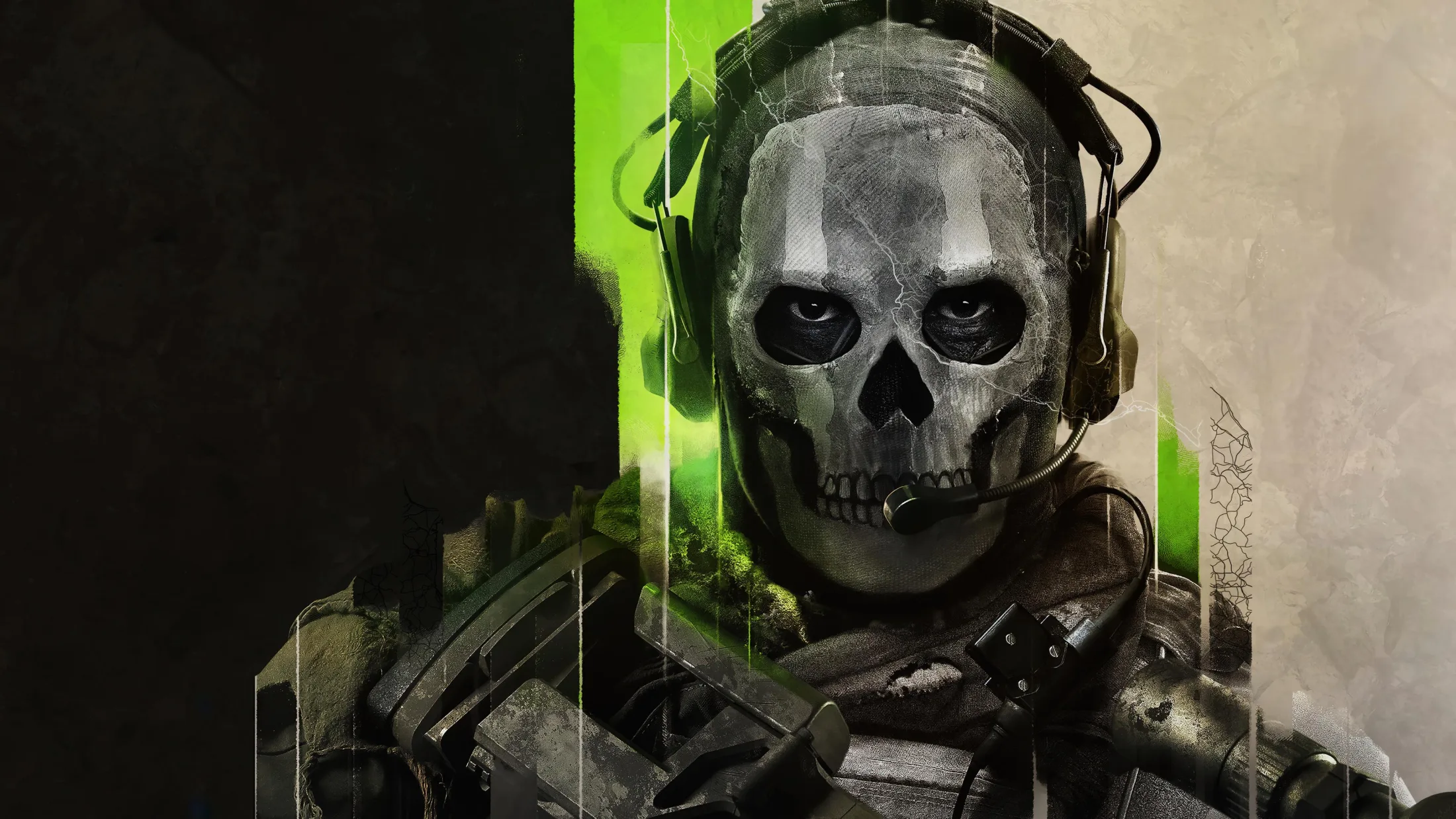
What makes his popularity remarkable is how little time we actually spent getting to know him. Ghost wasn't the central protagonist of Modern Warfare 2. His distinctive skull balaclava, imposing presence and mysterious personality made an immediate impression, but his character was relatively underdeveloped compared with Captain Price or Soap.
His death arguably accomplished more for his reputation than another campaign might have. It was shocking, unexpected and permanent. Ghost became memorable not simply because he looked intimidating, but because players never expected to lose him that way. And then, ten years later, Infinity Ward started again.
A second life, a different character
Modern Warfare's 2019 reboot established a new continuity, allowing Infinity Ward to revisit familiar characters without being constrained by the events of the original trilogy.
Ghost's expanded role in Modern Warfare II (2022) demonstrated what that creative freedom could offer. The intimidating, largely mysterious soldier became someone with relationships, vulnerabilities and a personality beyond his mask. His interactions with Soap were particularly effective, revealing a dry sense of humour and a growing loyalty beneath his otherwise guarded exterior.
Infinity Ward's writers acknowledged that they wanted to add more dimension to Ghost, exploring how his preference for isolation might affect his relationships and decisions. It was a sensible creative approach. Rather than simply bringing back a popular face, the reboot gave players more reasons to care about the person behind it. And those relationships would eventually make the consequences of later games more meaningful.
Ghost survives, but at what cost?
The reboot hasn't been particularly kind to Task Force 141. Soap's death in Modern Warfare III changed the team's dynamic, while Modern Warfare 4 pushes Captain Price towards an apparent final confrontation with the consequences of his own decisions. By the conclusion of MW4, Ghost is left watching another chapter of Task Force 141 come to an end, as Price appears to succumb to his injuries.
There's an interesting reversal here. In the original Modern Warfare trilogy, Ghost was among those who died while Price carried on. In the reboot, Ghost is the one left standing as Price's story appears to reach its conclusion. It's a surprisingly effective way of demonstrating how much the character has changed. The soldier whose death helped establish his legend has become someone capable of carrying its emotional weight. But it also raises a question. When a character becomes this valuable to a franchise, how difficult is it for a publisher to leave them behind?
Familiarity is a valuable business
In our earlier Journal article, The Economics of Keeping a Great Game Alive, we explored how established franchises benefit from the familiarity, affection and memories players have already invested in them. Ghost is another example of that principle.
His skull mask is immediately recognisable. His appearances generate interest, his relationships give returning players something familiar to reconnect with, and his identity extends beyond the campaign into operator skins, collectibles and merchandise. That's valuable intellectual property.
For publishers, established characters offer something new creations cannot: an audience that already cares before the next game is even announced. There's nothing inherently wrong with taking advantage of that. Players genuinely want to spend more time with characters they love, and the reboot demonstrates that revisiting familiar faces can produce worthwhile creative results. The concern is what happens when the commercial incentive to preserve those characters begins influencing which stories publishers are willing to tell.
Ghost's original death mattered because it felt irreversible. Reintroducing him through a separate continuity doesn't undo that moment, but it does demonstrate how easily successful characters can be given another opportunity. If every iconic character becomes too commercially valuable to lose, eventually death stops feeling consequential and begins looking like an inconvenience for the next instalment.
The difference between remembering and repeating
There's an important distinction between celebrating a beloved character and relying on one indefinitely. Modern Warfare's reboot largely succeeds because it hasn't simply repeated Ghost's original story. It's taken something familiar and developed it into something more substantial.
The challenge moving forward is ensuring that familiarity doesn't become a substitute for creating the next memorable character.
After all, Ghost was once a newcomer himself. His reputation wasn't guaranteed by an established franchise history or years of merchandise. It was earned through a distinctive identity and a moment players never forgot.
Perhaps that's the real lesson from his evolution. Familiar characters can make players care about a new story, but publishers still need the confidence to create stories that matter without them.
WISKY'S TASTING NOTESGhost died in Modern Warfare 2 back in 2009. Seventeen years later, he's back. Shepherd burned the body. Activision kept the cash cow alive.
What did you think?